History of The Shirt
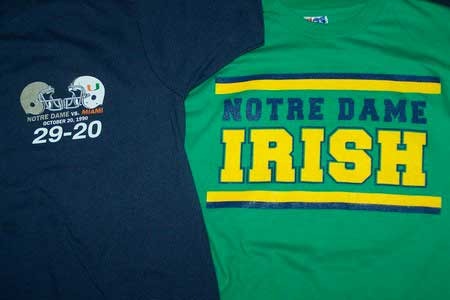
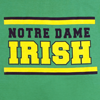
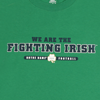
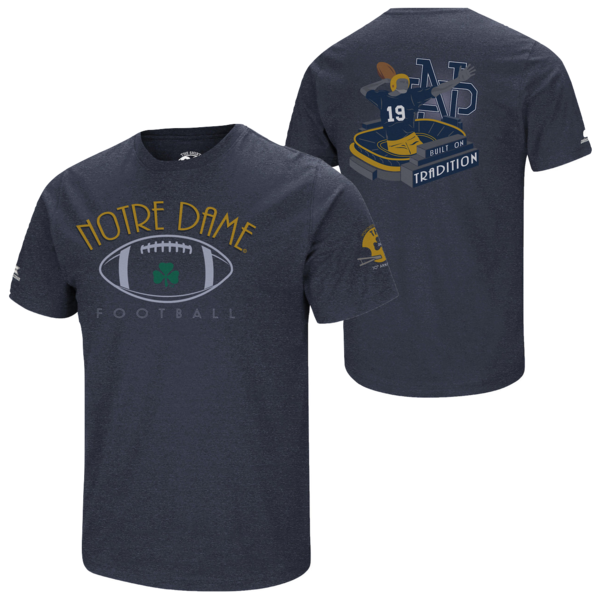
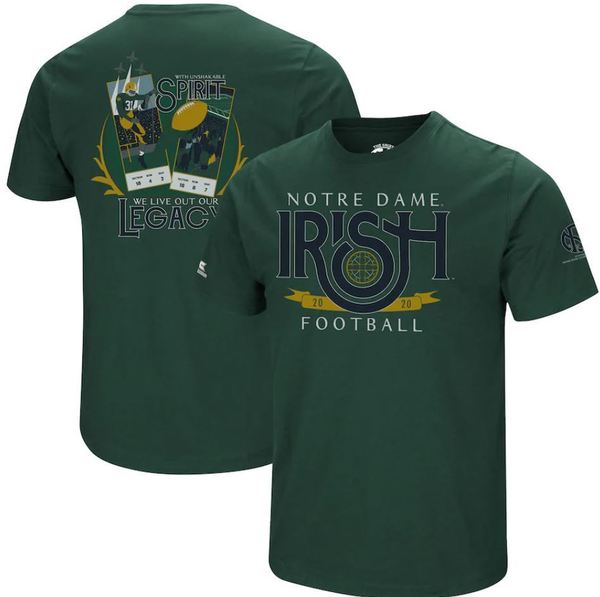
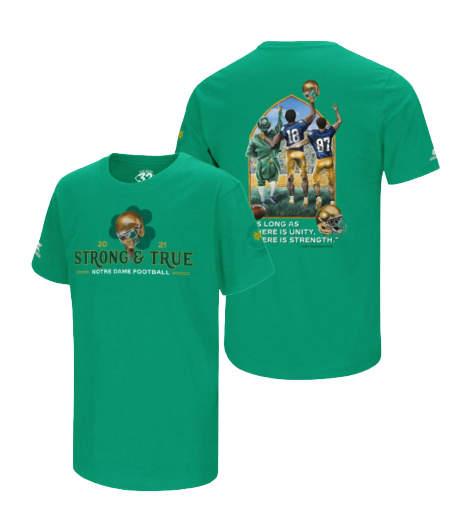
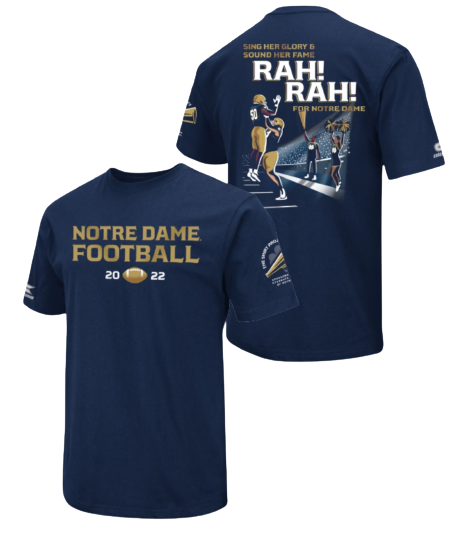
The Shirt Project began in 1990 as a means to raise money to fund Notre Dame student activities – a cause it continues to support today. In the spring of 1990, senior Brennan Harvath ’91, then Chairman of AnTostal, had the idea to sell T-shirts to raise funds for AnTostal, the Student Union Board’s spring festival. The shirt created for the fundraiser was also intended to unify the student body for the home-opener football game against Michigan on September 15, 1990. Over 9,000 shirts were sold and sales reached over $17,000.
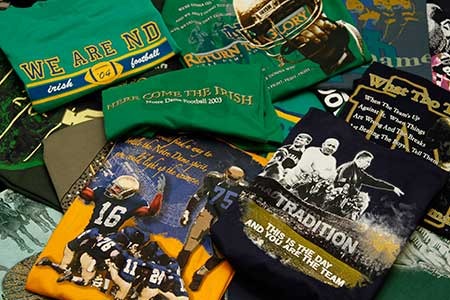
Due to the popularity of The Shirt 1990, the program continued the following year with the successor Chairman of AnTostal once again coordinating the project. As the success and renown of The Shirt increased, revenue exceeded the needs of the Student Union Board. Thus, The Shirt Project became its own student organization, and student leaders decided to distribute annual profits to other student organizations.
Since 1990 The Shirt Project has grown to provide a major source of income to student clubs and organizations. Thanks to funds provided by the Project, the activity fee charged annually to students has not been raised since 2004. Funds are also distributed to The Rector Fund, through which rectors can request money for students who could not otherwise afford football tickets, textbooks or fees for other campus-life activities. Although The Shirt Project aims to sell as many Shirts as possible each year, its ultimate goal is to benefit the students of Notre Dame.
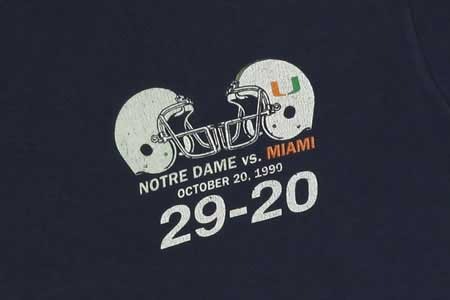
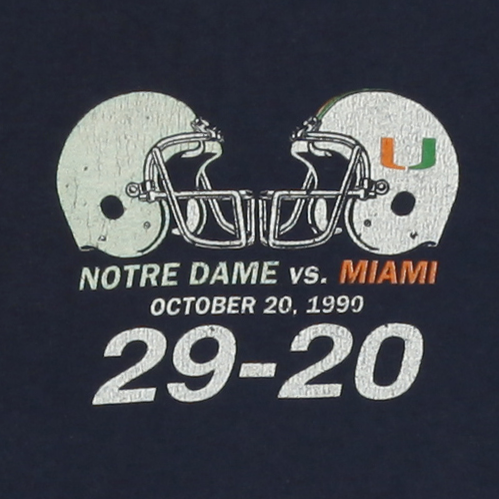
Following the success of the first Shirt in 1990, a second was made the same year. Called the “T-shirt for the Cause,” the second Shirt was created to support a doctoral student, Zhengde Wang, who had been seriously injured after being hit by a car in October 1989. Sister Jean Lenz, then Assistant Vice President of Student Affairs, along with Joe Cassidy, then Director of Student Activities, and the Hall Presidents’ Council, decided to use a second Shirt as a fundraiser to defray Wang’s medical expenses. The shirt they created was to be worn at the upcoming home football game against Miami on October 20, 1990. All 17,000 navy blue shirts printed for the game sold out before kickoff. A second version of the “T-Shirt for the Cause” was printed after the game with the game’s score, and an additional 15,300 of these shirts were sold. The 32,300 total shirts generated over $100,000 for Wang.
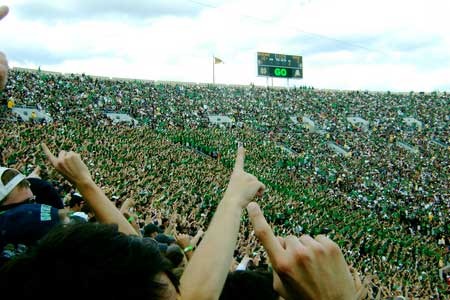
Following the success of the “T-shirt for the Cause,” The Shirt Project continued to support students with extreme medical expenses. In 1993, funds from the Project aided a student who had been paralyzed. Additional proceeds were used to establish memorial scholarships in the names of Meghan Beeler and Colleen Hipp, two members of the varsity swimming team who died in a bus accident the previous year.
The charitable aspect of the “T-shirt for the Cause” campaign continues to this day, as half of the funds raised from sales of The Shirt are allocated to The Shirt Charity Fund, which supports Notre Dame students who suffer from extraordinary medical conditions that require payment beyond their means.